Беспилотные летательные аппараты (UAV), обычно известные как дроны, перешли далеко за рамки хобби-игрушек. Сегодняшние дроны выполняют сложные задачи в коммерческой инспекции, сельском хозяйстве, логистике,аварийный ответ, и военные операции ?? often relying onradio frequency (RF) systemsна каждом критическом коммуникационном и контрольном интерфейсе.
Поскольку технологии RF эволюционируют, так и спрос на поддерживающую электронику, которая делает эти воздушные системы надежными, эффективными и безопасными.Дизайнеры все больше обращают свое внимание не только на антенны и передатчики, но для пассивных и сенсорных компонентов, которые поддерживают стабильную RF производительность в различных средах.
RF - это больше, чем беспроводная связь. Это основа беспилотной связи.
Для многих пользователей, RF в дронах просто означает беспроводное соединение между контроллером и самолетом.
- Command and control links командные и контрольные ссылкиfor flight instructions (для инструкций по полету)
- Телеметрияfor real-time system health and positional data - для реального времени системы здоровья и позиционных данных
- High-bandwidth video transmission высокая пропускная способность передачи видеоfor first-person view (FPV) operations (операции с первым лицом)
- Collision avoidance sensing, часто интегрированные с радиолокационными или LIDAR системами
Каждый из этих RF каналов работает под различными частотными полосами и ограничениями на производительность, и каждый ставит уникальные требования к окружающей электронике, особенно в отношенииsignal integrity, noise immunity, and power stability - целостность сигнала, иммунитет от шума и стабильность питания.
Challenges in RF Performance for Drone Applications (Вызовы в RF производительности для применения дронов)
Разработка RF-систем для дронов - это не просто вопрос выбора передатчика. Инженеры должны убедиться, что поддерживающие компоненты не деградируют в производительности RF, особенно потому, что дроны работают в:
- Variable thermal environments (переменные тепловые среды)(от жарких летов до холодных высоких высот)
- Electrically noisy conditions Электрически шумные условия, вызванные моторами, серво, и электроника
- Space-constrained layouts, где компоненты плотно упакованы
- Долгое время полета, где неэффективности имеют прямое влияние на выносливость
В таких сценариях, пассивные элементы, включая индукторы, конденсаторы и датчики, не пассивны вообще. Они влияют на то, как хорошо система RF реагирует на помехи,how stable the signal remains как стабилен сигнал, и как эффективно система работает с течением времени.
Фильтрация и подавление шума: где это начинается
One critical aspect of RF system performance is: один критический аспект производительности системы RFподавление шумаВ дронах, электрический шум от бесшовных двигателей, PWM переключателей, и силовых преобразователей может сочетаться с RF передними концами, ухудшая чувствительность и уменьшая дальность.
Чтобы решить эту проблему, дизайнеры часто используют комбинацию:
- RF-grade inductors and chokes (индукторы и захватчики RF)for common-mode and differential-mode noise suppression - для подавления шума в обычном и дифференциальном режимах
- Shielded passive components защищенные пассивные компонентыto prevent electromagnetic coupling (предотвратить электромагнитное соединение)
- Signal conditioning networks (сети кондиционирования сигналов)tuned to specific frequency bands - настроен на определенные частотные полосы
Правильно выбранные компоненты уменьшают шансы на ложные выбросы, мешающие управляющим сигналам или телеметрическим ссылкам. Это критическое соображение безопасности в коммерческих и промышленных приложениях.
Силовая стабильность и чувствительность RF
В отличие от фиксированной инфраструктуры, дроны зависятonboard power systems системы питания на бортуЭто должно быть как компактным, так и прочным. Вольт колебания или риппл в силовой автобусе может перевести прямо в RF фронт-энд нестабильности.
Effective power design for RF subsystems involves: эффективное проектирование мощности для РЧ-подсистем
- Low noise power filtering низкий уровень шума
- Stable supply rails for RF amplifiers and transceivers Устойчивые рельсы для усилителей и передатчиков
- Decoupling networks that maintain signal clarity under varying loads. сети, которые поддерживают ясность сигнала при различных нагрузках
В реальных приложениях,это часто означает выбор индукторов и пассивных сетей, которые спроектированы для высокой частоты и низкой отклонения реакции. характеристики, которые компоненты общего назначения могут не обеспечивать надежно..
Интеграция с датчиками и навигационными системами
Современные беспилотные летательные аппараты объединяют радиочастотную связь с набором на борту датчиков: GPS, инерциальные измеряющие единицы (IMU), альтиметры, и LiDAR или ультразвуковые системы диапазона.Эти датчики часто разделяют то же самое PCB или помещение как RF компоненты, создавая дополнительные проблемы для:
- Electromagnetic compatibility (EMC)
- Minimizing cross-talk between systems Минимизируя кросс-общение между системами
- Preserving antenna performance in compact enclosures Сохранение производительности антенны в компактных помещениях
Это одна из причин, почему тщательный выбор компонентов и их размещение - это не просто хорошая практика, это отличитель производительности.
Что это значит для конструкторов и производителей компонентов
Для поставщиков в цепочке поставок электроники, рост применения дронов подчеркивает, что производительность системы RF только столь же хороша, как и компоненты, которые ее поддерживают.Engineers are looking for parts that deliver Инженеры ищут части, которые доставляют:
- Stable performance over temperature and vibration Устойчивая производительность над температурой и вибрацией
- Low parasitic elements низкие паразитарные элементыto preserve RF integrity - для сохранения целостности RF
- Компактные формыthat fit the strict weight and space limitations of UAVs - что соответствует строгому весу и пространственным ограничениям UAV
- Консистенция через производственные партии, уменьшая потребность в системе ре-квалификации
Пассивные компоненты, включая радиочастотные индукторы, фильтры и сенсорные устройства, выходят из фона и становятся объектом внимания как способствующие лучшей производительности дронов.
Как SHINHOM поддерживает RF-Ready Drone Designs
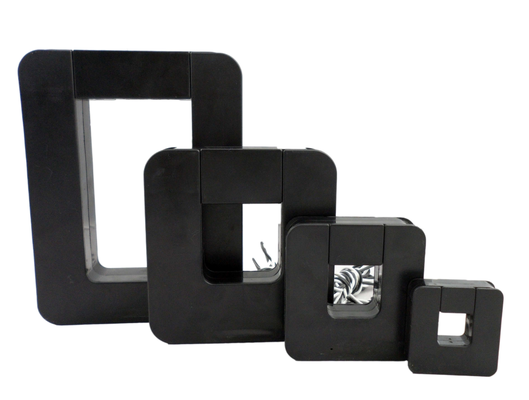
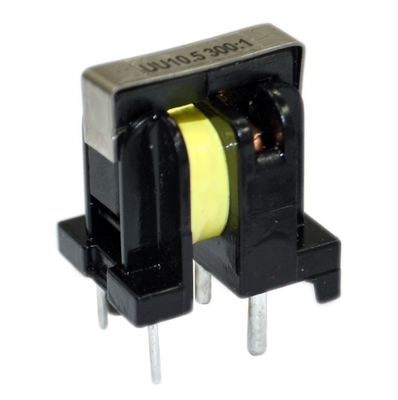
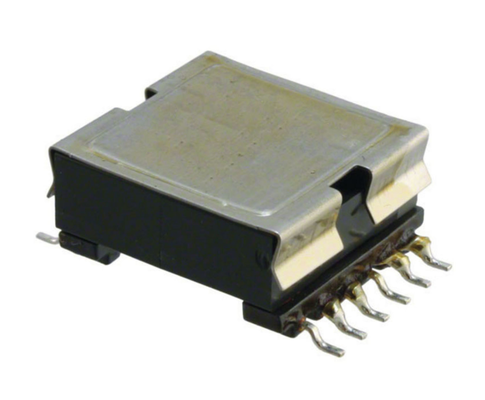
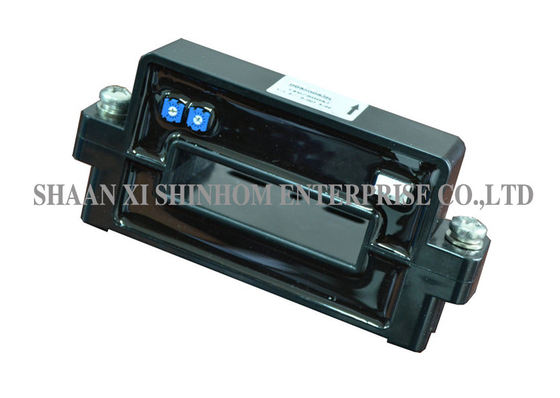
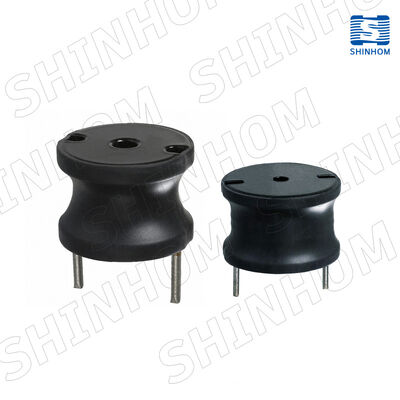
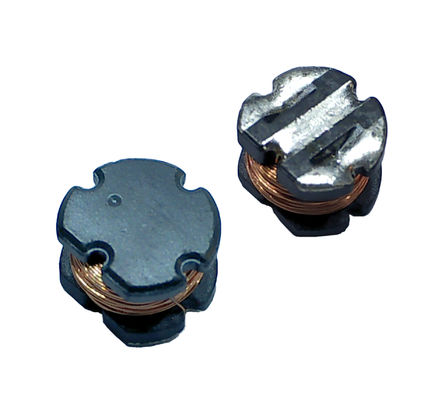
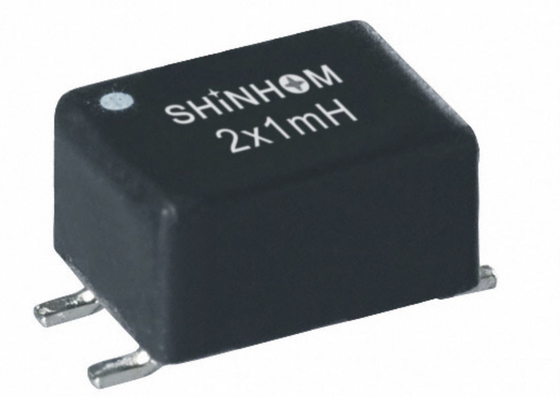
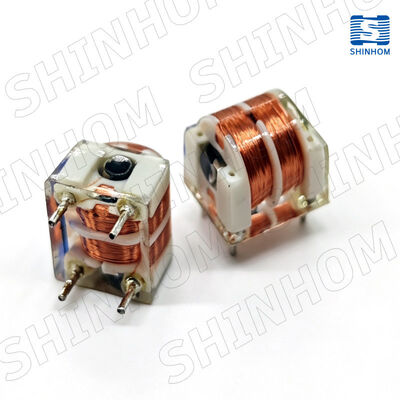
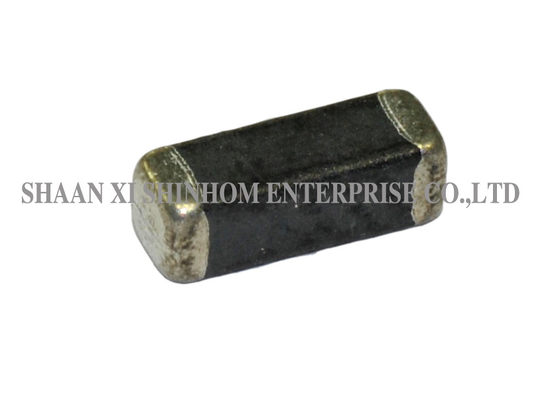
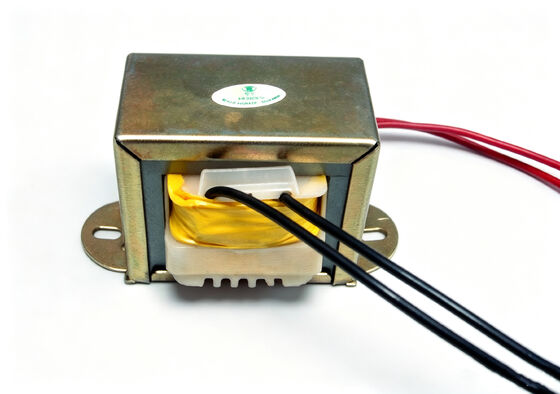
ВSHINHOM, мы понимаем требования, что современные системы RF место на их поддерживающих компонентов.Trigger coils, RF inductors, and precision passive elements (приводники сжигания, радиочастотные индукторы, и т.д.)are engineered to help systems designers:
- Reduce noise coupling in RF front ends Уменьшить шум в RF передних концах
- Улучшить стабильность питания для чувствительных модулей RF
- Maintain signal clarity in compact layouts поддерживать четкость сигнала в компактных макетах
- Design with confidence knowing components meet stringent electrical and mechanical requirements. Дизайн с уверенностью, зная, что компоненты соответствуют строгим электрическим и механическим требованиям.
By providing reliable components that support RF performance — even under the challenging conditions drones often encounter — SHINHOM helps engineers build more robust airborne systems with greater range, стабильность, и надежность.
Взгляд в будущее
По мере расширения применения беспилотных летательных аппаратов в промышленной инспекции, доставке услуг, мониторинге окружающей среды и далее, производительность системы RF останется ключевым дифференциатором.Инженеры, которые понимают, как пассивные компоненты взаимодействуют с RF передние концы будут лучше расположены, чтобы проектировать системы, которые удовлетворяют как производительности и нормативных требований.
For inquiries about RF-ready components and design support for your UAV applications, feel free to contact us at Запросы о готовых компонентах и поддержке дизайна для Ваших приложений для беспилотных летательных аппаратов
sales@shinhom.com

 Ваше сообщение должно содержать от 20 до 3000 символов!